30JUL
Designing for Extremes and What Harsh Conditions Reveal About Reliability
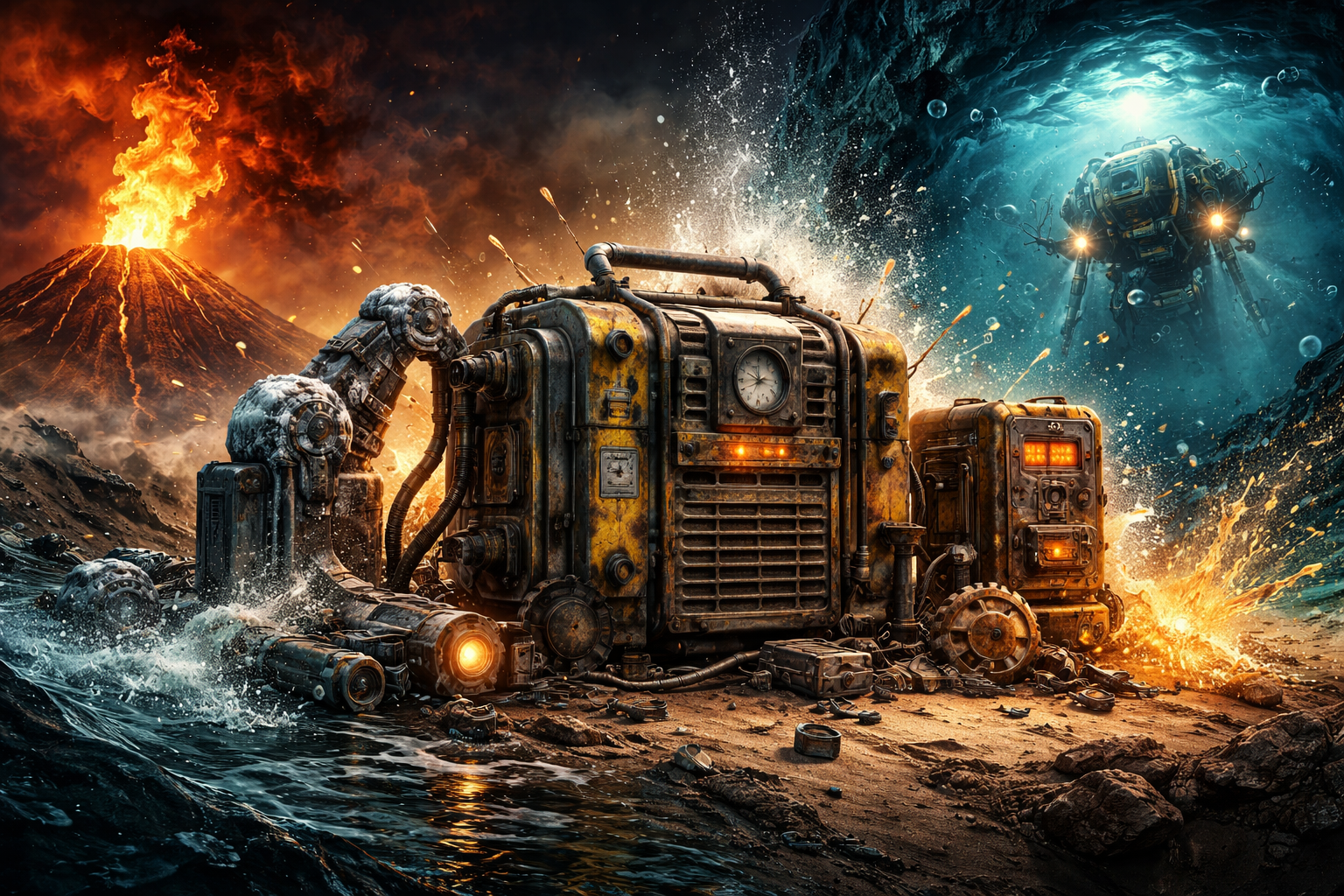
Machines behave differently when the world stops being polite. Metal expands, seals crack, electronics sulk, and anything held together by optimism quietly resigns. Environments defined by extreme heat, crushing pressure, or relentless corrosion force designers into a kind of honesty. There is no room for wishful thinking when a component must function at the bottom of the ocean or inside a furnace that could roast a Thanksgiving turkey in under a second.
What emerges from these unforgiving conditions is not just specialized engineering, but a philosophy of reliability that carries surprising relevance into everyday products. The lessons learned in these environments are not exotic—they are foundational. They simply become impossible to ignore when failure is dramatic, expensive, or explosive in a very literal sense.
Durability Is Not a Feature, It Is a Requirement
In ordinary consumer products, durability often feels like a bonus. In extreme environments, it is the price of entry. Materials must endure cycles of stress without degrading, which means selecting alloys, composites, and coatings that resist fatigue, corrosion, and thermal expansion. Designers cannot rely on average-case scenarios; they must plan for worst-case conditions happening repeatedly, sometimes simultaneously.This approach has clear implications beyond extreme settings. A smartphone that survives occasional drops or a car engine that tolerates years of wear benefits from the same mindset. Designing for durability does not mean making everything indestructible—it means understanding how and why things fail, then reducing those failure pathways with intention.
There is also a subtle shift in priorities. Instead of asking how to make something lighter, cheaper, or faster, engineers ask how long it will continue working when conditions degrade. That question changes everything, including material choices, manufacturing processes, and even how parts are assembled. Glue starts to look suspicious. Bolts earn a promotion.
Redundancy Keeps Systems Honest
Extreme environments do not tolerate single points of failure. If one component fails, there must be another ready to take over. Redundancy is not an inefficiency; it is insurance that actually pays out. In aerospace systems, for example, critical components are often duplicated or triplicated, ensuring that failure does not cascade into catastrophe.This principle scales down more easily than it might seem. Consider data storage systems that replicate information across multiple drives or power supplies that include backup circuits. Even something as simple as having two ways to unlock a door—a key and an electronic keypad—reflects the same idea. One method will fail eventually. The only question is when.
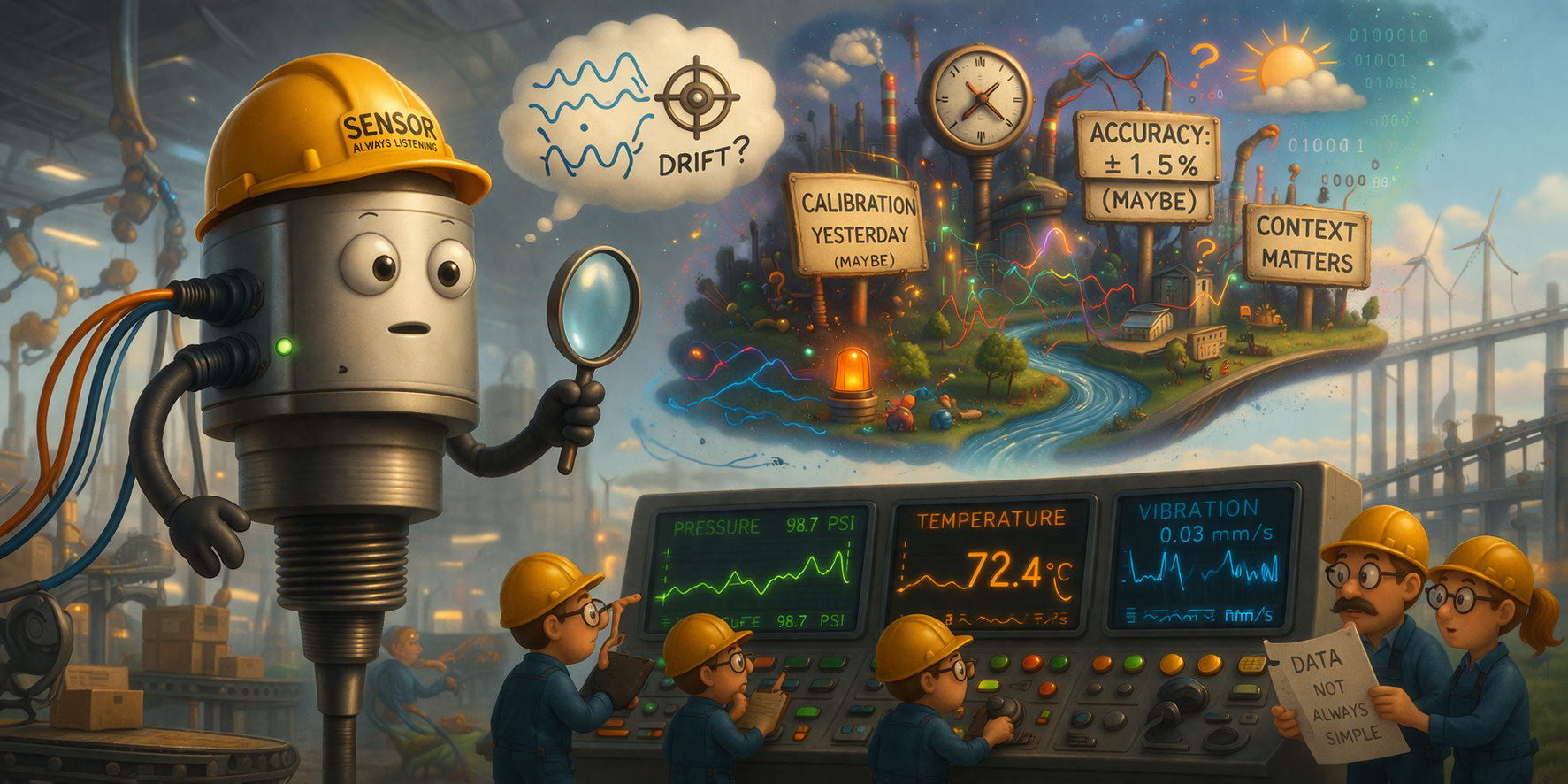
Redundancy also encourages transparency in design. When multiple systems perform the same function, discrepancies become visible. If one sensor reports something wildly different from its counterparts, it raises a flag rather than quietly leading the system astray. In this way, redundancy does not just provide backup—it improves awareness.
Overengineering Sometimes Has a Point
There is a quiet reputation attached to overengineering, usually involving eye rolls and budget meetings that end in long sighs. Yet in extreme environments, what might look excessive becomes entirely reasonable. Components are designed with safety margins that seem almost theatrical. A part rated to handle twice the expected load is not indulgence; it is preparation for the moment when reality refuses to follow the script.This idea translates neatly into everyday contexts. A bridge built to withstand far more weight than it will typically carry does not fail when an unexpected surge of traffic appears. A laptop hinge that feels almost stubbornly firm survives years of opening and closing without turning into a loose suggestion of a hinge. Overengineering, in these cases, quietly extends lifespan and reduces maintenance.
There is, of course, a balance to strike. Adding strength and redundancy increases cost, weight, and complexity. But extreme environments reveal that cutting too close to the edge is rarely worth the savings. Systems that operate with minimal margins tend to fail not gradually, but suddenly and inconveniently. Sometimes spectacularly.
- Extra material thickness can prevent fatigue cracks from forming.
- Higher tolerance components reduce the risk of cascading failures.
- Protective coatings delay corrosion long enough to matter.
Designing for Failure Instead of Avoiding It
A serious lesson from harsh environments is that failure is not a possibility—it is an eventual certainty. The question shifts from "How do we prevent failure?" to "What happens when it occurs?" This leads to designs that fail gracefully rather than catastrophically.Pressure vessels, for example, are often engineered so that if they rupture, they do so in controlled ways. Electronic systems include fail-safes that shut things down before damage spreads. Even something as simple as a fuse embodies this philosophy. It sacrifices itself so that the rest of the system can live to see another day.
Applying this thinking to everyday products results in devices that degrade predictably instead of collapsing without warning. A car might enter a reduced-power mode rather than stalling outright. A software system might isolate a malfunctioning component instead of crashing entirely. These behaviors are not accidents; they are deliberate design choices informed by environments where failure is not negotiable.
When the Environment Does Not Care About Your Plans
Harsh environments have a way of reminding engineers that nature is not interested in compromise. Heat does not negotiate. Pressure does not accept apologies. Corrosion certainly does not admire clever design sketches. Systems must be built with a level of respect for these forces that borders on humility.This perspective has broader implications. It encourages designers to consider variability, uncertainty, and long-term wear as central factors rather than afterthoughts. Products built with this mindset tend to age better, require fewer repairs, and inspire more confidence from the people who rely on them.
There is also a certain practicality that emerges. If a component cannot be made immune to environmental stress, it should at least be easy to replace. If maintenance is inevitable, it should not require dismantling half the system. These decisions rarely make headlines, but they make a noticeable difference over time.
Pressure Makes Reliable
Extreme conditions act as an unfiltered test of design integrity. They strip away assumptions and expose weaknesses with remarkable efficiency. What survives these environments is not just stronger—it is more thoughtfully constructed.Bringing those lessons into everyday design does not mean turning every object into a fortress. It means recognizing where durability, redundancy, and generous margins genuinely improve reliability. It means accepting that failure will occur and planning for it with a certain level of calm pragmatism.
Systems built with these principles tend to last longer, behave more predictably, and demand less from the people who use them. They do their job quietly, without drama, which is perhaps the highest compliment any design can receive.
 Our Blog