28JUL
Why Temperature Is the Most Misunderstood Variable in Everyday Systems
Thermostats get twisted with more confidence than understanding, as if a few degrees in either direction will instantly bend reality to human will. Temperature feels simple—just a number, a setting, a quick judgment of "too hot" or "too cold." Yet it quietly governs systems that are anything but simple, shaping efficiency, safety, and longevity in ways that often go unnoticed until something breaks, spoils, or overheats.
Comfort Isn't a Measurement
What feels comfortable is not a reliable indicator of actual temperature conditions. Two rooms at the same temperature can feel completely different depending on humidity, airflow, and surface temperatures. A still, humid room at 26°C can feel heavier than a breezy one at 28°C. The body doesn't measure temperature—it interprets heat transfer.This leads to one of the most common mistakes in home heating and cooling: adjusting the thermostat based on sensation rather than system behavior. Turning the temperature drastically lower doesn't cool a room faster; it simply makes the system run longer. The air conditioner does not panic and work harder because someone got impatient. It just keeps going, quietly judging that decision.
Small Differences, Big Consequences
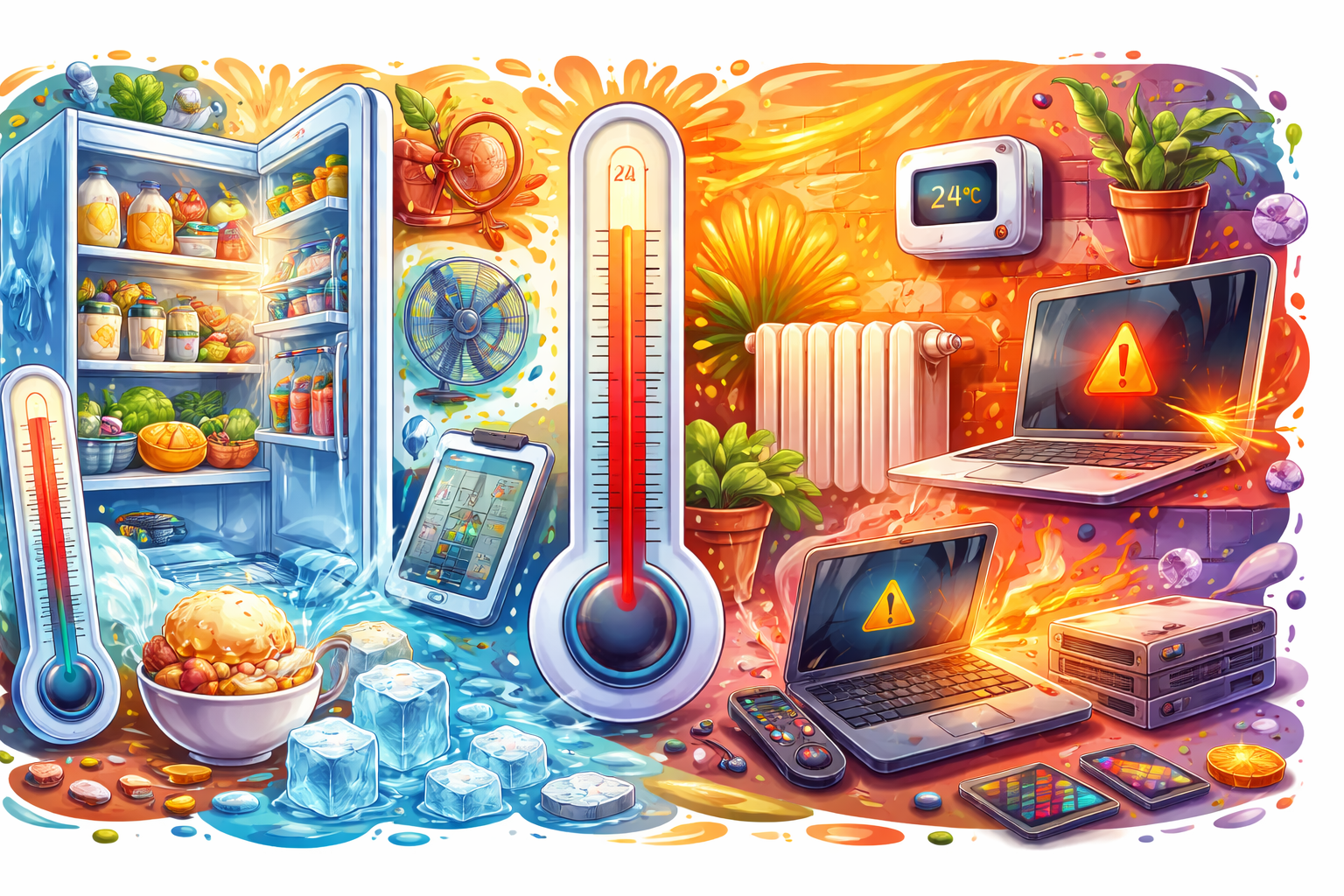
A few degrees can have outsized effects. In refrigerators, for example, the difference between 3°C and 7°C can determine whether food stays fresh for days or begins a slow march toward becoming a science experiment. Bacteria thrive in slightly warmer conditions, and the shift isn't dramatic—it's gradual and sneaky.Electronics tell a similar story. Heat accelerates wear. A laptop running consistently at higher temperatures may not fail immediately, but over time, components degrade faster. Batteries lose capacity. Fans spin harder. Circuits age like milk left out just a bit too long—not instantly ruined, but definitely on borrowed time.
There's a tendency to assume systems are built to handle "normal" temperature variations. They are—but "normal" is narrower than people think. That gaming console stuffed into a tight cabinet isn't enjoying its environment, no matter how silent it remains.
Why Measuring Temperature Isn't Straightforward
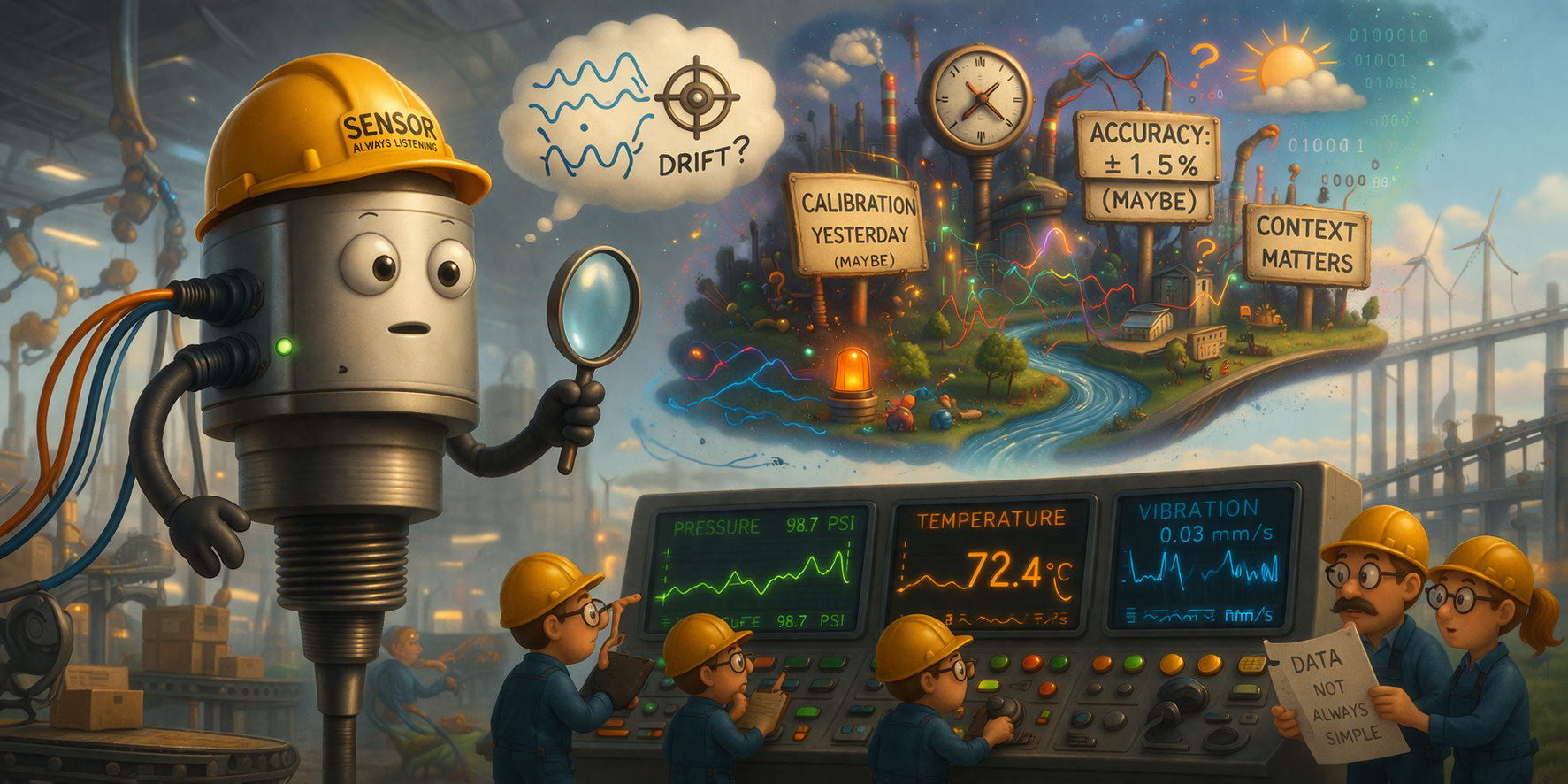
Temperature sounds precise, but measuring it accurately is surprisingly tricky. Sensors are influenced by placement, calibration, and even nearby materials. A thermostat mounted near a window or kitchen appliance can report misleading values. It's not lying—it's just reporting its own little reality.Even within a single room, temperature can vary significantly. Warm air rises, cooler air settles, and poor circulation creates pockets of difference. That explains why one corner of a room feels like a cozy retreat while another feels like it's preparing for winter.
Digital readings add another layer of confusion. A number like 25°C appears exact, but most consumer sensors have a margin of error. That "25" might actually be 24 or 26, which is enough to matter in sensitive situations like food storage or equipment cooling.
Misunderstanding measurement leads to misplaced confidence. A device says everything is fine, so everything must be fine. Meanwhile, something quietly disagrees.
Energy Efficiency Isn't About Extremes
There's a persistent belief that aggressive temperature settings improve efficiency—cranking the heat high to warm a space quickly, or blasting cold air to "lock in" comfort. In reality, systems perform best with steady, moderate adjustments.- Gradual changes reduce strain on heating and cooling systems
- Consistent settings prevent energy spikes
- Proper insulation often matters more than the thermostat itself
Temperature and Time Are Close Friends
Temperature rarely acts alone. Its real influence shows up when paired with time. A slightly elevated temperature for a short period might not matter much, but sustained exposure changes outcomes dramatically. This is why food left out "just for a bit" sometimes turns into regret hours later.In storage systems, the relationship between temperature and time defines quality. Perishable foods degrade faster at higher temperatures, but the process is not always obvious. Milk doesn't send a warning notification halfway through spoilage. It simply crosses a line and makes its opinion known all at once.
The same principle applies to electronics and materials. Prolonged heat exposure weakens components gradually. Nothing dramatic happens on day one. Weeks or months later, performance dips, failures increase, and the cause is long forgotten. Temperature played the long game—and won.
Practical Ways to Stay Ahead of It
Managing temperature effectively doesn't require advanced engineering, but it does require paying attention to details that are easy to ignore.- Place thermometers or sensors in representative locations, not near windows or heat sources
- Use multiple measurement points in larger spaces to detect uneven conditions
- Keep vents and airflow paths unobstructed for consistent distribution
- Avoid overloading refrigerators, which disrupts air circulation
- Give electronics space to breathe instead of stacking or enclosing them tightly
Common Misconceptions That Refuse to Retire
Some ideas about temperature seem to persist no matter how often they're disproven.One classic example is the belief that setting a thermostat much lower will cool a room faster. It won't. The system operates at a fixed capacity; it's not waiting for emotional encouragement. Another is the assumption that "room temperature" is a universal constant. It isn't. It varies by climate, building design, and even personal interpretation.
There's also the quiet assumption that if something feels fine, it probably is fine. That works until it doesn't. By the time temperature-related issues become noticeable, they've often been developing for a while.
When Numbers Don't Tell the Whole Story
A temperature reading is a snapshot, not a full narrative. It doesn't show fluctuations, spikes, or gradients unless those are specifically tracked. Systems can experience brief periods of stress that go completely unnoticed if measurements are too infrequent.Monitoring trends over time is far more useful than relying on a single reading. A steady increase in temperature, even within acceptable limits, can signal an underlying problem. Ignoring that trend is like ignoring a slow leak because the floor isn't flooded yet.
Consistency, awareness, and a bit of skepticism toward simple numbers go a long way. Temperature is not just a setting—it's a dynamic variable that interacts with nearly everything in daily life.
Keeping Your Cool Without Losing It
Temperature doesn't demand constant attention, but it rewards those who respect its influence. Understanding how it behaves—how it shifts, accumulates, and quietly alters outcomes—turns it from a hidden troublemaker into a manageable factor.Systems don't fail randomly as often as they appear to. Many of them have been slowly nudged off balance by temperature long before anything obvious happened. Paying attention earlier changes the story.
A few degrees here and there might seem trivial, but they rarely stay trivial for long.
 Our Blog